Last updated November 22, 2026
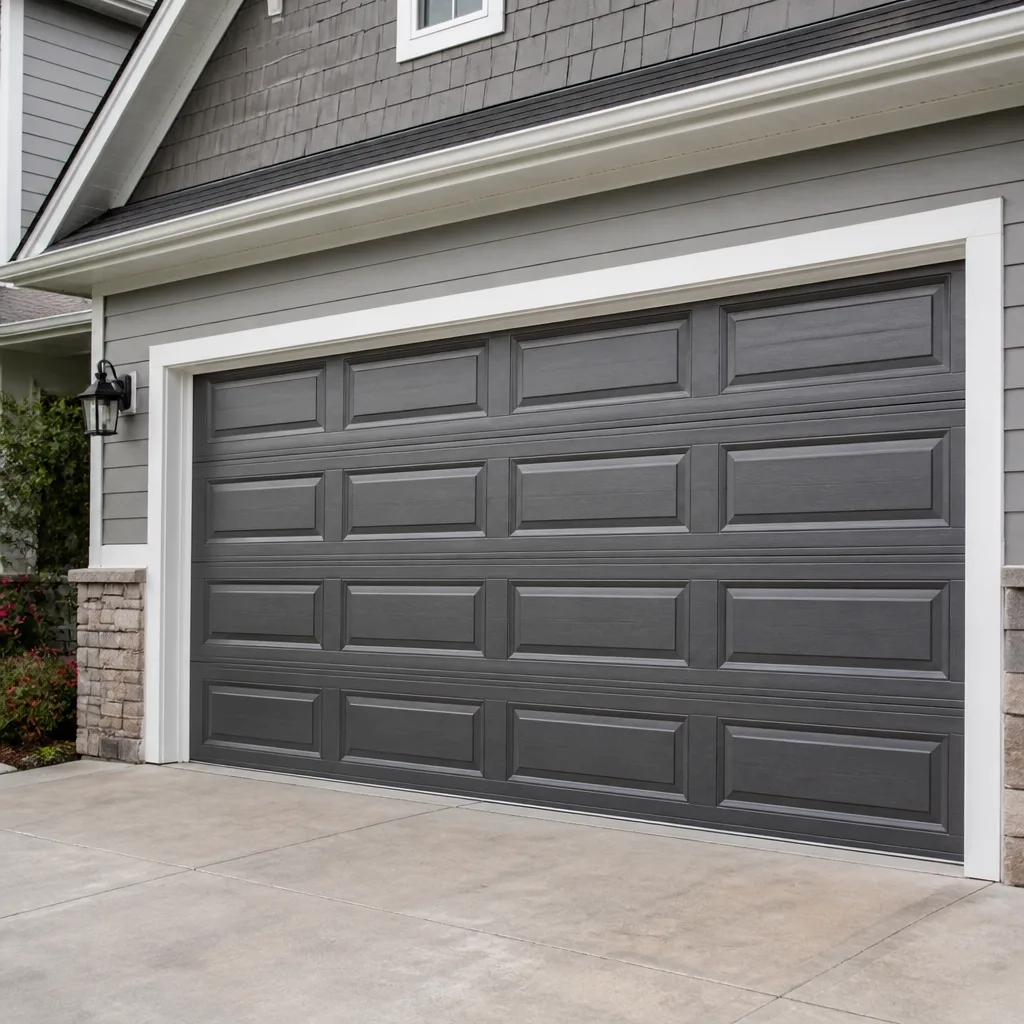 Raised-panel steel
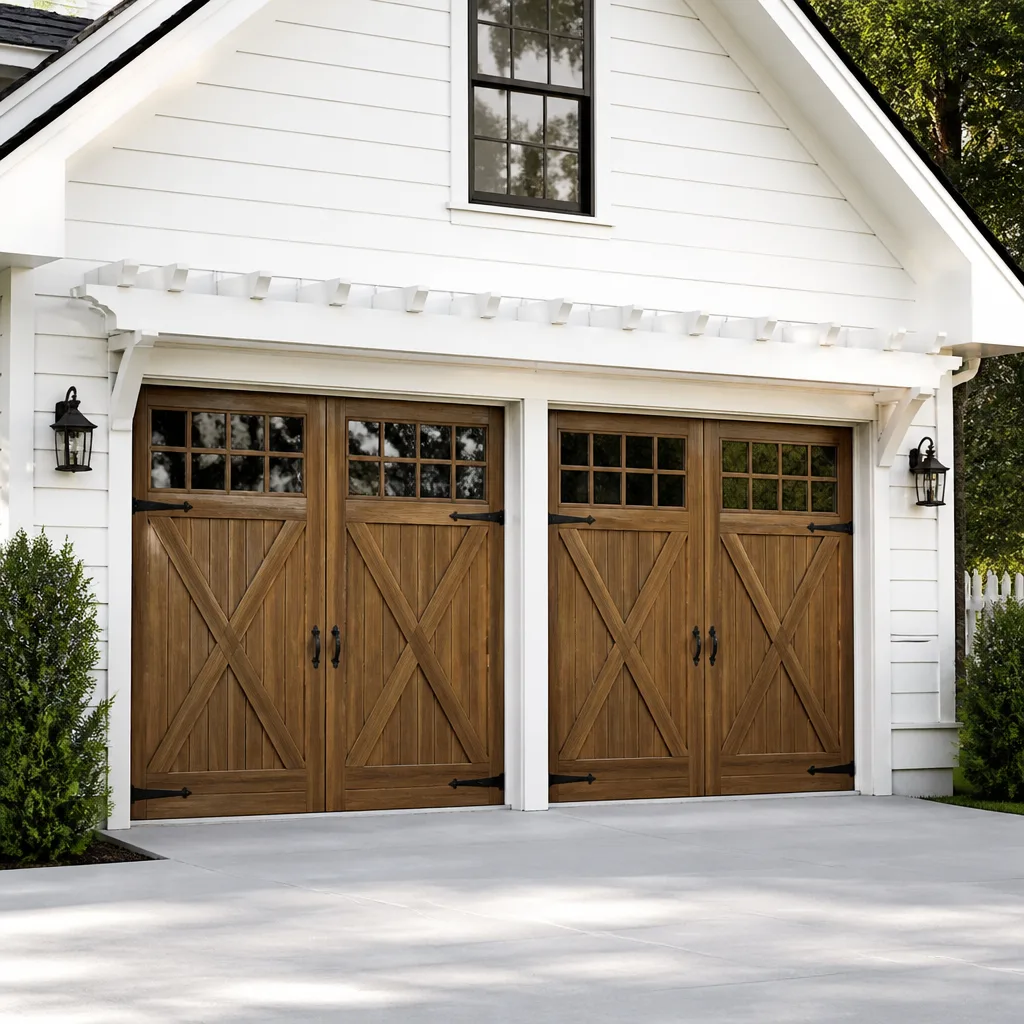 Carriage house
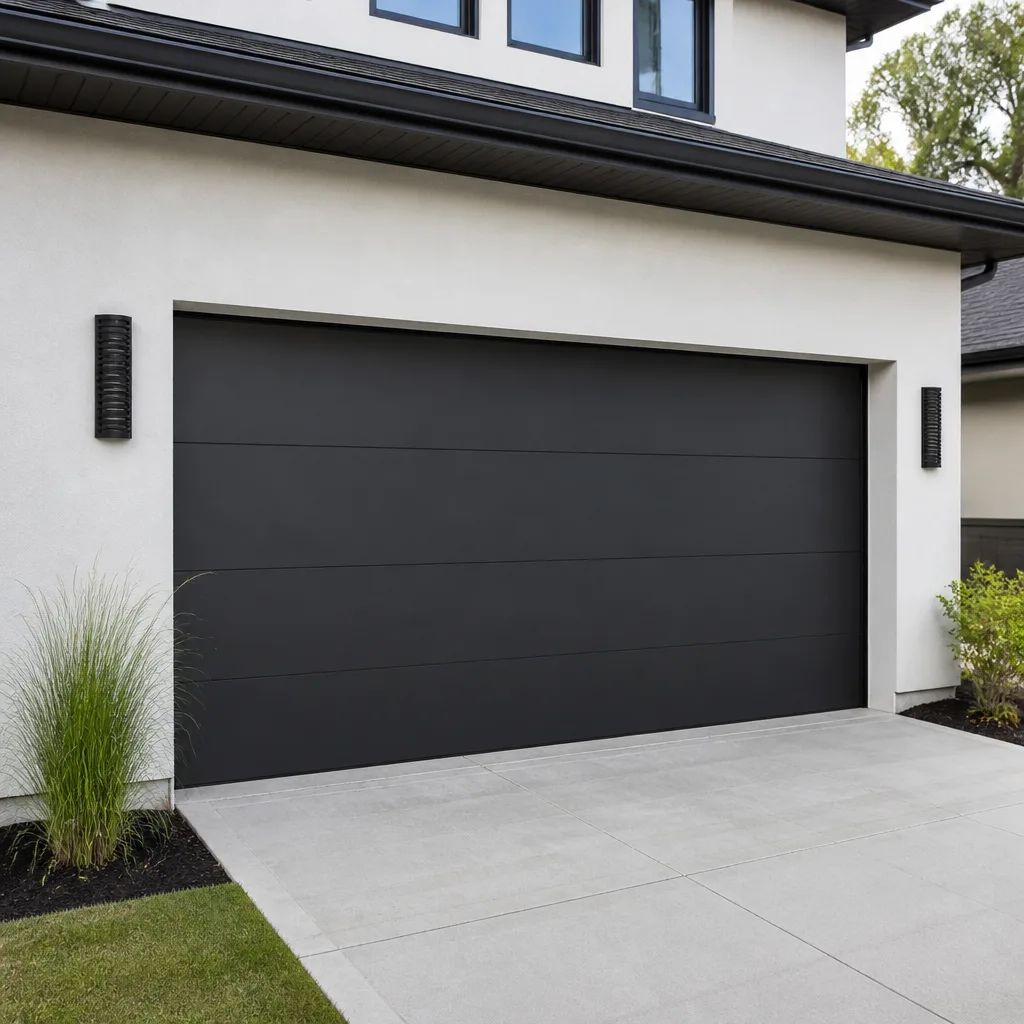 Modern flush
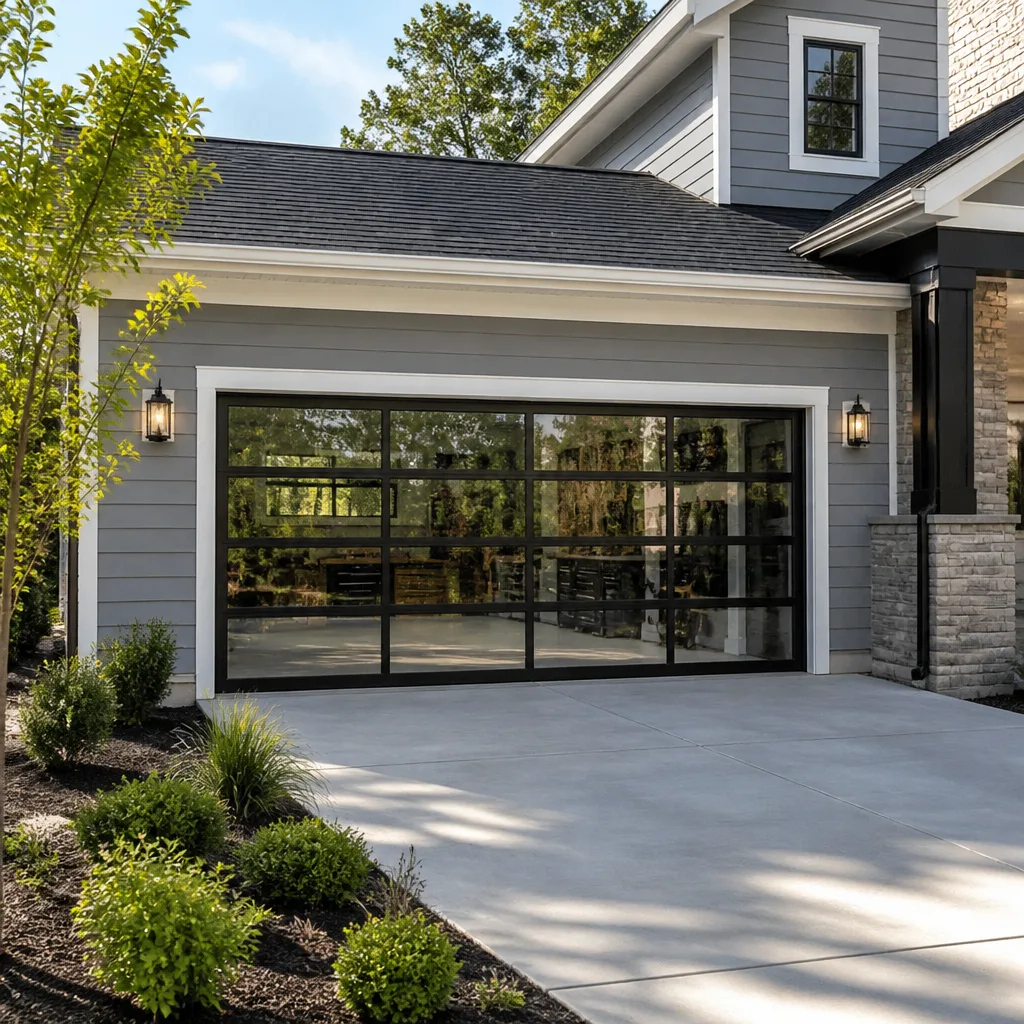 Full-view glass
 LiftMaster openers
 Chamberlain openers
Full 25-point door and opener safety check with every visit - springs, cables, rollers, tracks, and your LiftMaster or Chamberlain opener included
You get a price before we start. It does not change when the pro arrives.
Get your free estimateGarage Door Warning Signs: An Alexandria Homeowner’s Reference Guide
A snapped torsion spring feels sudden. It almost never is. That spring usually shows visible gap formation, uneven coil spacing, and a louder, rougher travel noise for weeks before it lets go. The reason most homeowners get surprised isn’t bad luck. It’s that nobody ever taught them what a healthy door looks and sounds like, so they have no baseline to compare against. In this guide you’ll learn the early-failure signature of each major component, which warnings are safe to watch from a distance, and which mean you stop using the door today. We keep this knowledge in front of Alexandria homeowners because a ten-minute check beats a blocked driveway every time.
Quick Answer
The main garage door warning signs are a door that opens unevenly or slower than it used to, a loud bang or grinding noise during travel, visible gaps or loose coils on the torsion spring, frayed or kinked cables, worn or wobbly rollers, a bent track, and an opener that reverses, jerks, or loses its remote signal. If you see a frayed cable, a separated spring, or a door hanging off its track, stop using the door and call a specialist. Most other warning signs are safe to monitor for a few days before scheduling service.
Styles & brands we work with
- Raised-panel steel
- Carriage house
- Modern flush
- Full-view glass
- LiftMaster openers
- Chamberlain openers
Table of Contents
- Why Most Garage Door Failures Announce Themselves First
- The Component-by-Component Warning Sign Map
- The Slow-Travel Sign Homeowners Blame on the Opener
- How to Check Your Cables and Springs Without Touching Them
- Warnings You Can Monitor vs. Warnings That Mean Stop Using the Door
- Alexandria Climate and How Local Wear Patterns Differ
- Opener Warning Signs: Electronics and Brand-Specific Behavior
- When to Call a Professional
- Frequently Asked Questions
Why Most Garage Door Failures Announce Themselves First
We’ve seen the same pattern again and again. A homeowner calls because the door won’t open at all, and when we ask how long it had been making that grinding sound, the answer is often “a few weeks, but I thought it was normal.” It wasn’t. A garage door is a balanced system. Counterweight and spring tension carry most of the door’s weight, and the opener only drives movement. When that balance drifts, the whole system starts talking: squeaks, rattles, uneven travel, a pause in the middle of opening. Those are the warnings. A failure is just the last warning you didn’t hear.
The important idea here is baseline. You can’t recognize abnormal sounds or movements if you’ve never noticed normal ones. A well-adjusted door in Alexandria should move quietly and steadily, with the panel bottoms clearing the floor the same way every time. Stand in your driveway once this week and just watch the door. Listen. That two-minute habit is the single most useful diagnostic tool you’ll ever develop as a homeowner.
The timeline matters, too. In our experience, most component failures give somewhere between 30 and 90 days of audible or visual warning. Springs, cables, rollers, and openers rarely fail on day one of a problem. They degrade. The trick is learning which warning belongs to which component, so you know whether you’re looking at a worn roller or a spring that’s counting down.
One more thing worth saying plainly: this is not about replacing the whole door. Most warning signs point to a single worn part, and a repair that addresses that part restores the whole system. Same door, fixed right. That’s how we approach it.
The Component-by-Component Warning Sign Map
Different parts of your garage door fail in different ways, and each one has its own early signature. Knowing which sign belongs to which component helps you describe the problem accurately when you call, and it stops you from buying the wrong fix. When you spot any of these, it’s worth having the door looked at by a specialist before it fails.
Springs
The torsion spring sits on the shaft above the door or the extension springs run along the sides. On torsion springs, watch for gaps forming between coils, uneven spacing along the spring, and a growing stretch mark near the ends. If the door suddenly feels heavy when you lift it by hand, that’s spring tension loss. A snapped torsion spring sounds like a gunshot and is a stop-now event, which is why we treat garage door repair for springs as the highest-risk call on any door.
Cables
Cables loop around drums at the ends of the shaft and anchor at the bottom corners of the door. Warning signs are kinks, “bird-caging” (a loose, unwound twist in the cable), and a frayed section where strands start separating. Any damaged cable means the door is holding on a compromised line. Do not touch it, and do not use the door.
Rollers
Rollers track the door inside the rails. When they wear, you’ll hear a rumbling or squealing as the door travels, and you may see flat spots or chips on the roller face. Worn rollers accelerate wear on the track itself.
Tracks
Tracks should be straight. Bends, dents, and gaps between the sections of rail are warnings. A door that shudders in one section of its travel is often running a bent or misaligned track.
Opener
Opener warnings are different, and we cover them in detail further down. Briefly: reversing for no reason, jerking into motion, losing its remote signal, or failing to hold the door when it closes are all early electronic warnings.
The Slow-Travel Sign Homeowners Blame on the Opener
This is the warning sign we see misdiagnosed more than any other. The door opens and closes, but it seems to take longer than it used to. Or it starts slowly, catches mid-travel, then speeds up. Homeowners often assume the opener motor is aging out and needs replacing. Usually it’s not the opener at all. A slow, labored travel almost always means the door is working harder than it should against its own weight.
The usual culprits behind slow travel:
- A tired spring. As torsion tension drops, the opener has to lift weight the spring was meant to carry. The motor strains, and the door drags.
- Worn bearings in the rollers or shaft. Bearings that seize or run dry add resistance through the whole travel path.
- Misaligned or dirty tracks. A door that rubs on the rail loses speed without ever stopping.
- A slipping opener drive. Belt, chain, or screw-drive wear can cause a lag between when the motor starts and when the door actually moves.
Here’s the practical test: if the door is slow but the opener sounds normal, look at the door and the balance first. If the opener itself sounds strained or clicks without moving the door, the problem may be in the drive. Either way, a slow door isn’t cosmetic. A door that labors is a door that’s wearing faster than it should. Give it a week, not a month. If you’d rather not chase it yourself, our garage door opener repair team can tell you in minutes whether the opener or the door is at fault.
How to Check Your Cables and Springs Without Touching Them
A garage door is under enormous tension, and the spring and cable system is where serious injuries happen. We’re going to describe a visual inspection only. Nothing here means touch, adjust, or remove a spring, cable, or drum. Those are jobs for a trained professional, and we’ll be blunt about that because the risk is real.
Here is how to inspect safely, from the ground, with the door closed and the opener unplugged or disengaged from the door:
- Unplug the opener and keep your hands off the door. This is your safety step. You’re looking, not working.
- Stand at the center of the door and look up. Check the torsion spring for gaps between coils, uneven spacing, or a visible seam. A spring with a gap is a spring under load that’s failed.
- Look at both ends of the torsion shaft. Cables should wind evenly on the drums without crossing or bunching.
- Check the bottom corners on each side. The cables here should be tight and clean. A kinked, bird-caged, or frayed section means stop.
- Look at the tracks. They should be straight and parallel, with no visible dents or bends.
- Rollers and hinges. Look for flat spots, cracks, or wobbling rollers.
- Step back and look at the panels. Uneven gaps between panels or a door sitting crooked in the rails are warnings.
If anything looks off, take a photo. It helps when you call, and it lets a specialist get you an accurate answer faster. If you see a broken spring, a frayed cable, or a door hanging crooked, stop using the door and call for an emergency checkup. Our team has handled these many times, and we’d rather answer a worried call than treat a preventable injury.
Warnings You Can Monitor vs. Warnings That Mean Stop Using the Door
Not every warning sign carries the same urgency, and knowing the difference keeps you from panicking over a squeaky roller or ignoring a failing cable. Here’s how we sort them.
Warnings that are safe to monitor for a few days
- Squeaking or rumbling from the rollers and hinges.
- A slow but steady door travel with no uneven opening.
- A single remote that loses signal (check the battery first).
- A door that opens smoothly but sounds noisier than it did last month.
- Loose screws on hinges or a slightly rattling panel.
Warnings that mean stop using the door today
- A visible gap between spring coils or a snapped spring.
- Any frayed, kinked, or bird-caged cable.
- A door hanging crooked or off its track.
- A loud bang with the door half-open.
- The door reversing for no reason on close, or failing to hold.
- A door that cannot be lifted by hand because it feels dead weight (spring failure).
Anything in that second list means call a specialist before the door is used again. Alexandria Garage Door Repair Co offers emergency garage door service for situations like these. When a door won’t close, your home isn’t secured, and that can’t wait for a scheduled appointment. If you’re planning ahead rather than reacting, that’s a different conversation, and in our experience most monitored signs settle into a routine repair rather than a crisis.
Alexandria Climate and How Local Wear Patterns Differ
Garage door wear isn’t purely a product of how often you use the door. Climate and local geography matter. Alexandria sits in the northern Virginia tidewater region, with cold winters and hot, humid summers. That seasonal swing puts particular pressure on certain components, and the warning signs look a little different here than they do in drier parts of the country.
In Alexandria, we see more wear on:
- Roller grease and bearings. Hot, humid summers can dry out grease and accelerate corrosion on metal rollers. If your rollers are starting to squeal mid-summer, that’s a classic Alexandria pattern.
- Hinge and bolt hardware. Humidity around the door frame and a typical Old Town or Del Ray alley-facing garage can leave high-mounted hardware showing surface rust long before it fails.
- Springs and torsion hardware. Repeated freeze and thaw cycles, plus the tension of cold winter days, can cause springs to fatigue faster than in a steady climate.
- Wood frames and panel bottoms. Ground moisture around the door stop and frame is more of a factor here than in dry regions, and it can cause the door to sit unevenly and strain the opener.
The visual warning differs, too. In Alexandria you’ll often see surface corrosion on hardware first, followed by the sound of a squealing roller or a rough-track. In drier climates, you’ll see dry rot or cracking before you ever hear a squeak. If you’re in a neighborhood like Del Ray, Rosemont, or Old Town, where the garage often faces a narrow alley, alley-facing hardware tends to pick up moisture and road grit and show wear faster than a detached garage. That’s worth a look each season.
Opener Warning Signs: Electronics and Brand-Specific Behavior
The opener is the electronic brain of your garage door, and its early warning signs are different from the mechanical ones. A failing opener doesn’t usually snap. It misbehaves in small, easy-to-miss ways, and each misbehaving symptom is a warning.
Watch for:
- Reversing for no reason. The door goes down, then comes right back up. On a modern LiftMaster or Chamberlain (myQ) unit, this can indicate a safety sensor or alignment issue before it’s a motor issue.
- Jerking into motion. The opener lurches before the door moves. That hesitation is often a software or force-setting question, and sometimes a sign of a motor straining against a door that’s too heavy.
- Loss of remote or keypad signal. Not just one tired battery, but a range that keeps shrinking or a remote that stops working across the yard.
- Stops moving at all, or clicks without moving. On legacy Craftsman or Genie systems, that’s often a capacitor, drive gear, or control board symptom.
- A short, steady beeping or flashing. That’s usually the opener warning you about an internal fault or a sensor issue.
The brand matters. A Genie opener and a Raynor door-driven system don’t fail in identical ways, and a Craftsman with a legacy controller behaves differently from a current LiftMaster. We work on your brand, which means we’ve seen what Amarr, Wayne Dalton, and the rest of your hardware look like when they’re starting to give out. Many homes in neighborhoods like Rosemont and Del Ray still have older Craftsman and Genie systems running opener-only doors, while newer builds and rebuilds around Old Town often have one of the LiftMaster or Chamberlain myQ units. If your opener is stuttering, don’t wait for it to quit. Annoying becomes inconvenient, and inconvenient becomes a door you can’t close.
If you’re planning a new door rather than a repair, the principle is the same: look for a system that’s matched to your door weight and your climate. That’s not a sales line. A mismatched opener is one of the most common causes of premature wear we run into in Alexandria.
See the difference
 Before
 After
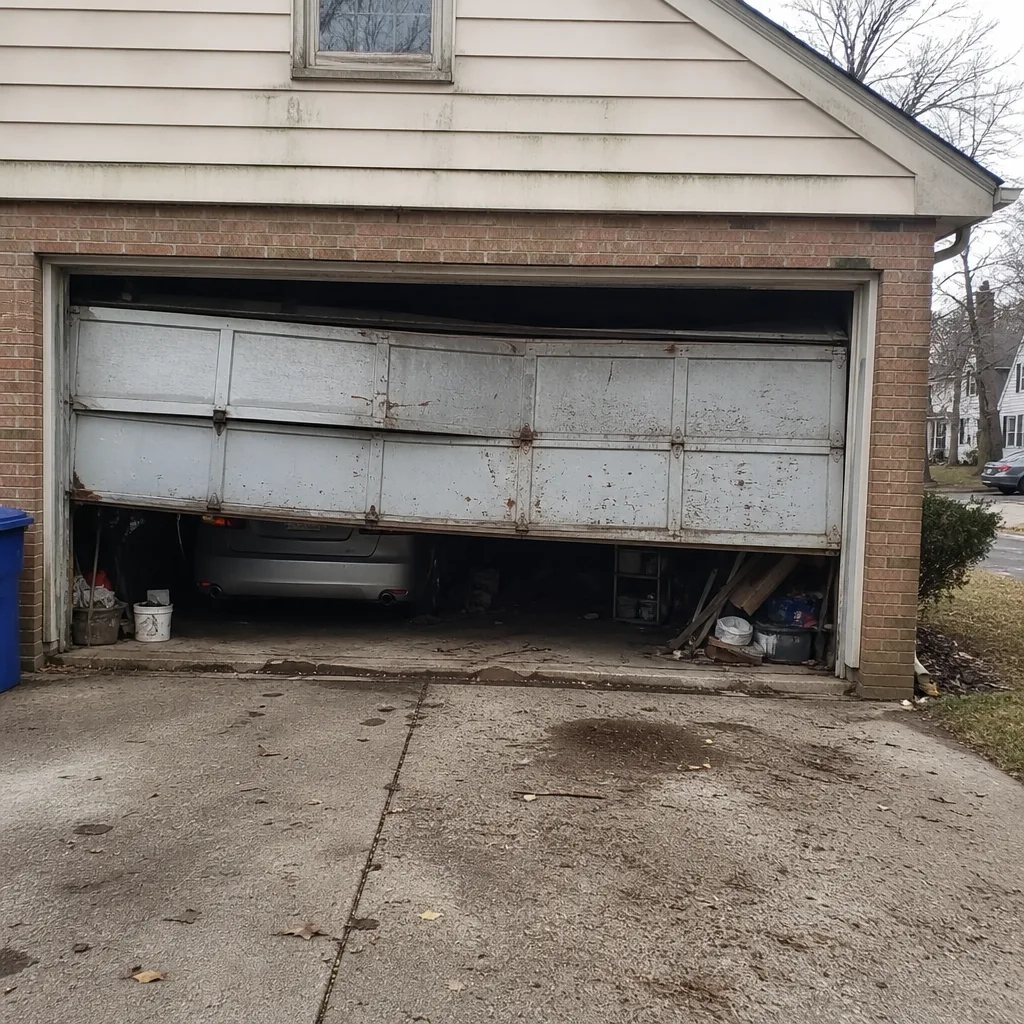 Before
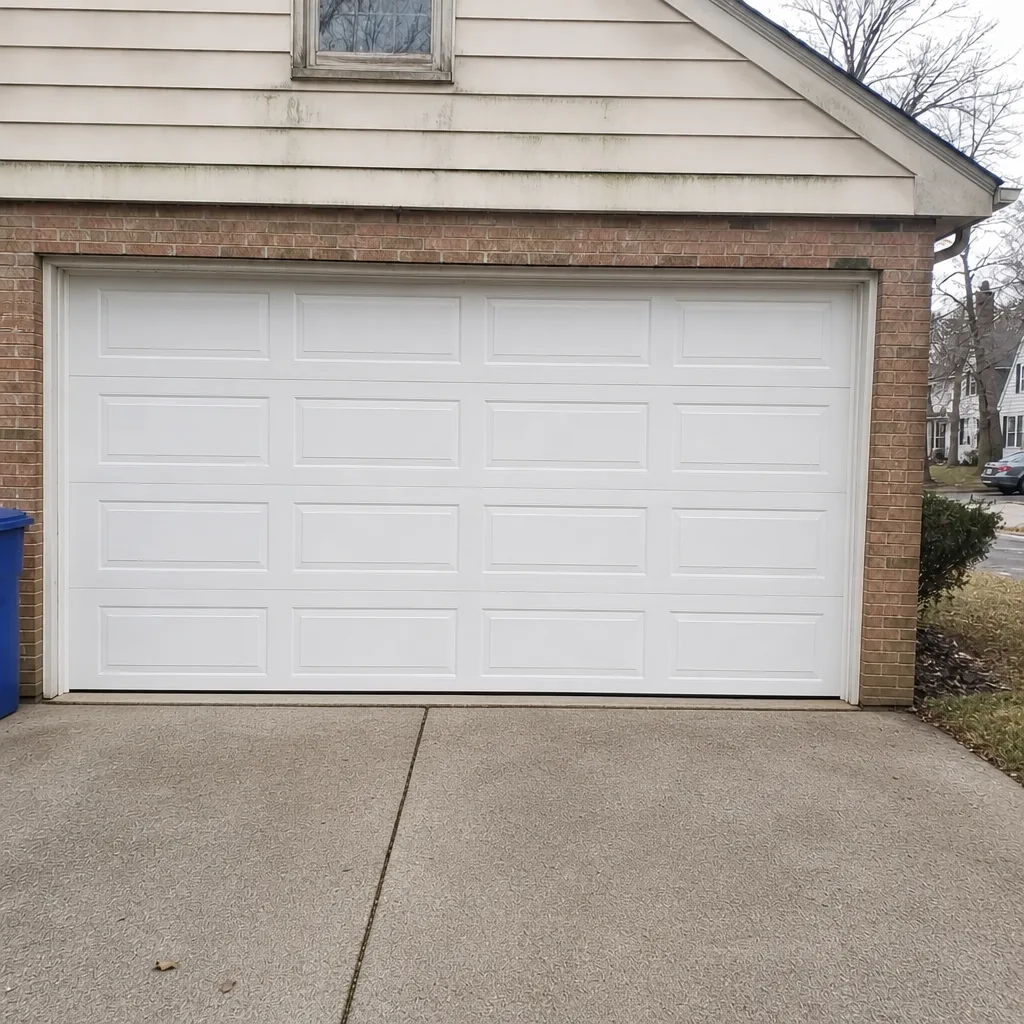 After
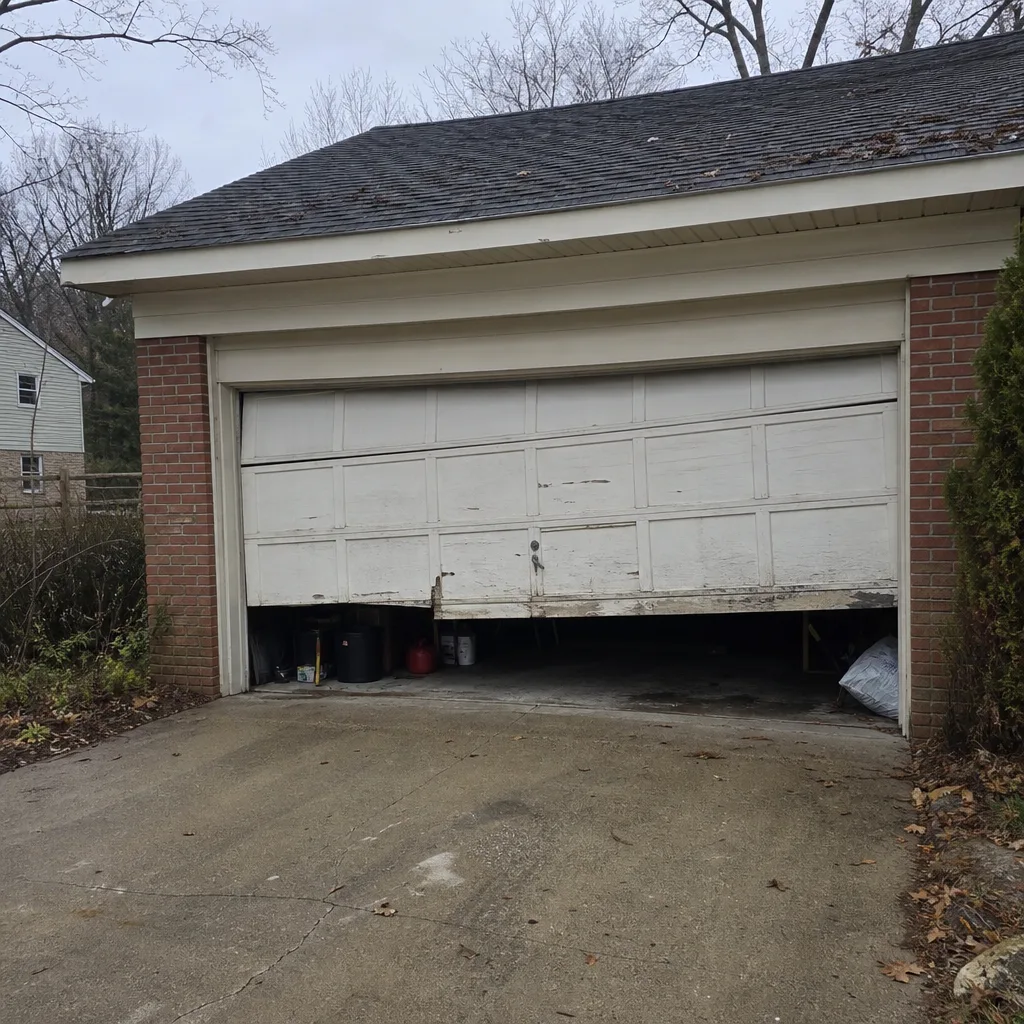 Before
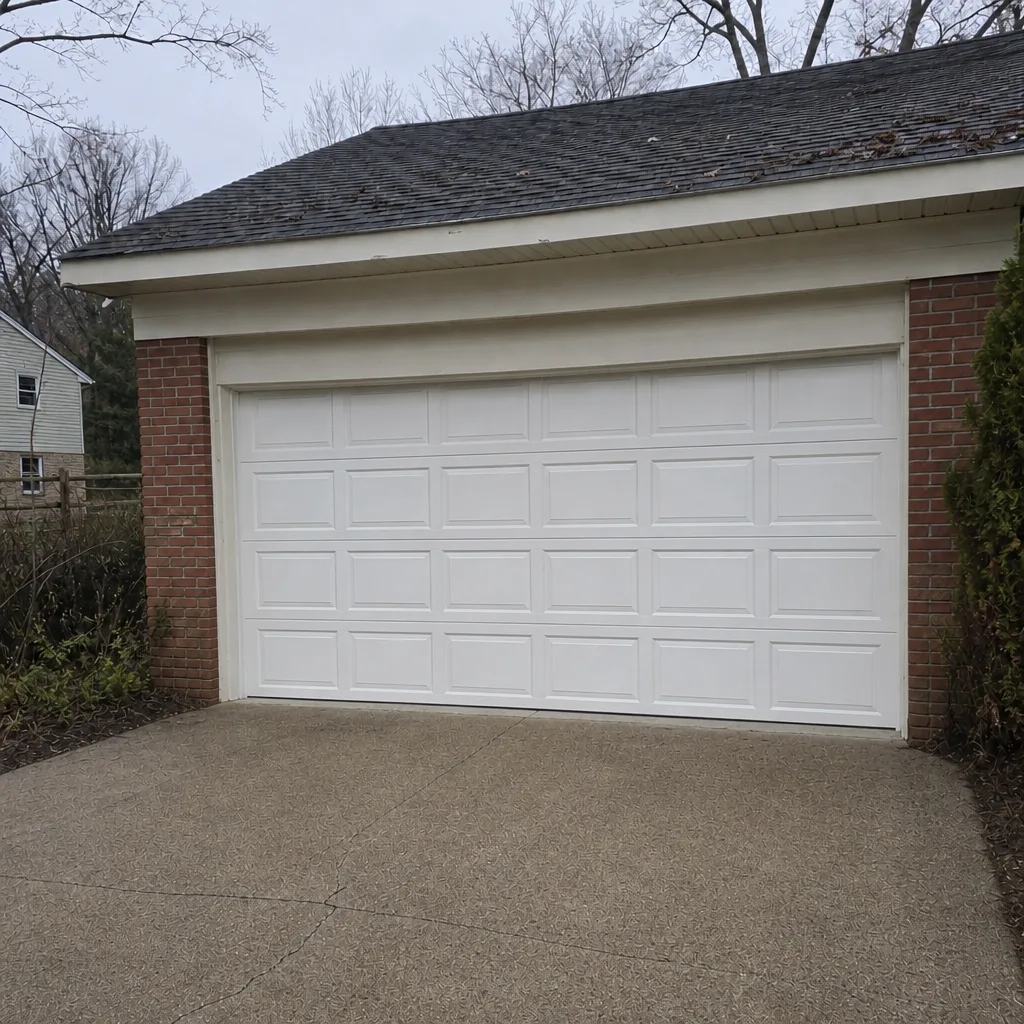 After
Common Mistakes to Avoid
We’ve seen a lot of well-intentioned repairs go sideways. These are the mistakes we’d steer any Alexandria homeowner away from.
- Ignoring a noise because it’s “only a squeak.” Noise is the earliest, cheapest-to-fix warning on a garage door. Letting it run for weeks turns a roller or bearing into a whole system repair.
- Assuming a slow door means the opener is failing. We covered this above. A slow travel is far more often a spring, bearing, or track problem. Replacing the opener first is the classic expensive wrong turn.
- Touching a spring or cable yourself. This is the most serious mistake on the list. A garage door spring can hold dangerous stored energy. Inspect visually, from the ground, and call a specialist for anything else.
- Winding a spring “a few more turns” to lift the door. Even if you’ve seen it done online, the tension adjustments are not a DIY job. This is exactly the sort of thing that leads to serious injury.
- Lubricating a frayed cable to make the noise stop. Lubricant hides the warning and can mask a strand separation you’d want to see early.
- Letting humidity and rust win in Alexandria without inspection. Hardware around the frame and rollers in this climate corrodes from the inside out. A visual check each season catches it before it matters.
- Picking the cheapest door installer with no brand knowledge. On this repair, experience with your specific hardware matters more than the lowest number on the quote. A trained specialist can tell you whether the door is repairable before anyone starts pricing out a replacement.
And one more: don’t wait for the failure. If your door is making a sound you didn’t hear last year, treat it as a signal, not background noise. That’s what the warning signs are for. For the broader repair side of this, our page on garage door repair walks through what each repair involves. When you’re ready to talk through the signs you’ve spotted, our Alexandria Garage Door Repair Co team is one call away.
When to Call a Professional
Call a professional if you see a frayed cable, a spring with visible gaps or a snapped spring, a door hanging crooked or off track, an opener that reverses on its own, or any door that’s been making grinding noises for weeks. These aren’t DIY fixes, and they’re not postponable. Call if the door fails to hold when closed, which is a security issue, and call if a door suddenly won’t lift by hand because it feels like dead weight. In Alexandria, a lot of garage doors sit close to an alley or a shared drive, and a door that won’t close is a door that leaves the house exposed. If you spot any of these, stop using the door and call. Alexandria Garage Door Repair Co offers free estimates in Alexandria – call (844) 681-5326. Upfront pricing, and the price is quoted and agreed before any work starts.
Frequently Asked Questions
The most common signs are uneven or slow door travel, a loud bang or grinding during use, visible gaps or uneven coils on the torsion spring, frayed or kinked cables, worn rollers, bent tracks, and an opener that reverses or loses signal. In Alexandria, humid summers also tend to show up as squealing rollers and surface rust on hinge hardware earlier than in drier climates. Call (844) 681-5326 if you’re spotting more than one of these at once – estimates are free.
Usually somewhere between 30 and 90 days of warning. The spring typically shows visible gap formation, uneven coil spacing, and a growing stretch mark before it lets go, and the door often starts traveling a little more noisily or slowly in that window. If you see a gap between coils, stop using the door and call. Estimates on spring repair are free at (844) 681-5326.
No. A frayed or kinked cable means the door is holding on a compromised line, and the door should not be used until it’s been checked by a professional. Don’t touch the cable, don’t wind it back, and don’t try to lubricate it. Call (844) 681-5326 and we can talk through whether emergency garage door service is the right call for your situation.
You can check it visually from the ground with the door closed and the opener unplugged, and that’s the right limit. Look for gaps between coils and uneven spacing. Never touch, adjust, or remove a spring or cable. A garage door is under a lot of stored energy, and spring work belongs to a trained specialist. If you’re unsure what you’re seeing, call (844) 681-5326 and we’ll help you sort it out – estimates are free.
Slow travel is usually a spring, bearing, or track problem rather than a failing opener. As spring tension drops or bearings wear, the motor has to work harder to lift the door, and travel slows. A slow door is still a door that’s wearing faster than it should. Call (844) 681-5326 for a free estimate so you know what’s actually causing it before you spend money on an opener you may not need.
Stop using the door if you see a snapped or gapped spring, any frayed or kinked cable, a door hanging crooked or off-track, a sudden loud bang, a door that reverses for no reason on close, or a door that can’t be lifted by hand. These are the stop-now signs. Call (844) 681-5326 and we’ll tell you what to do next – emergency service is available for situations that leave the home unsecured.
The Bottom Line
Most garage door failures don’t come out of nowhere. They give weeks of warning, and the reason homeowners get surprised is simply that nobody ever showed them what normal looks like. Establish your baseline this week: watch and listen to the door once, and you’ll know what’s changed. Springs show gaps and uneven coils, cables show kinks and fray, rollers get noisy, tracks bend, openers stutter. Watch for the slow travel that usually means worn bearings or a tired spring, not a dead opener. Take visual checks from the ground and leave anything spring-related to a specialist. If you spot more than one warning sign in Alexandria, don’t wait for it to fail. Call us.
Alexandria Garage Door Repair Co handles repair, spring repair, opener repair, and new installation on equipment from Amarr, Wayne Dalton, Craftsman, Raynor, and the other major brands. Our technicians have up to 14 years of experience. Free estimates, upfront pricing, and the written quote is the price.
To schedule a free estimate today, visit our garage door installation page or call us to talk through the warning signs you’ve found. Call (844) 681-5326.
Written by the team at Alexandria Garage Door Repair Co.