Last updated November 22, 2026
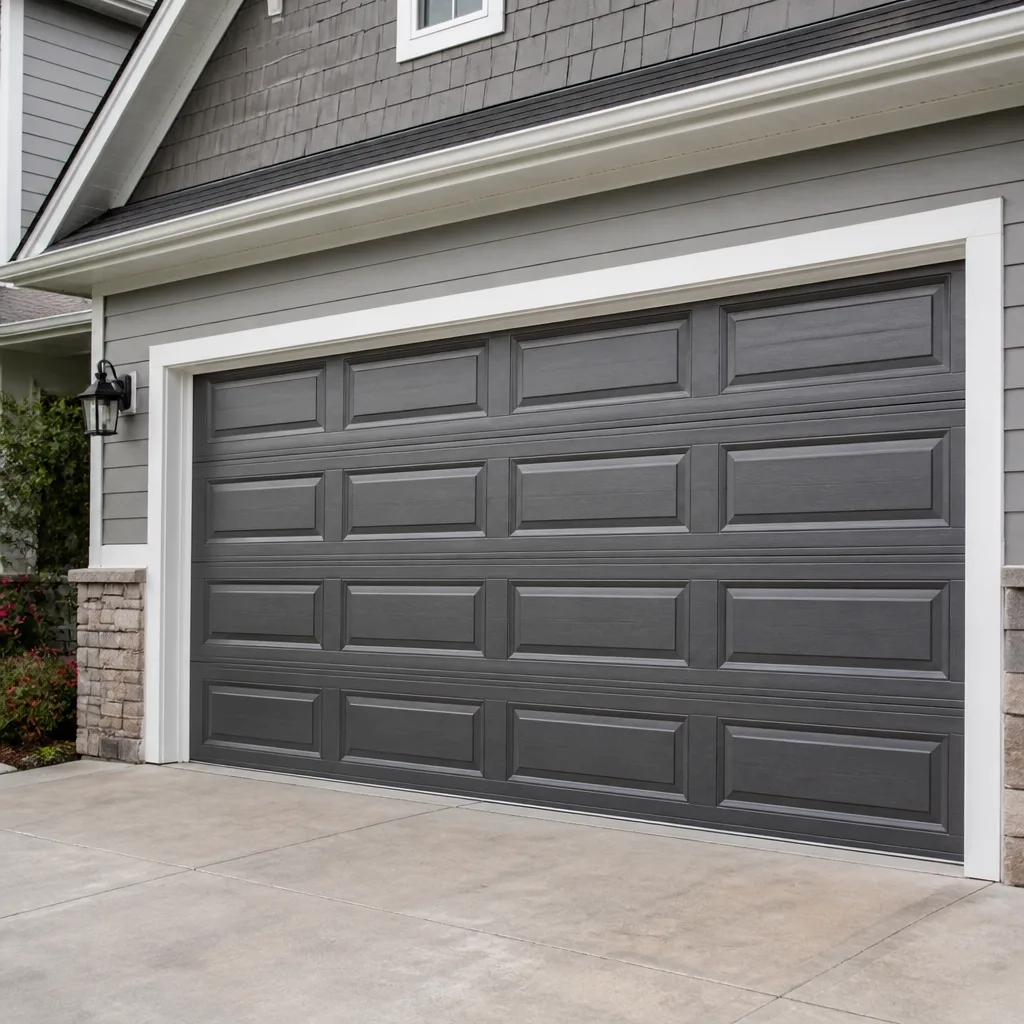 Raised-panel steel
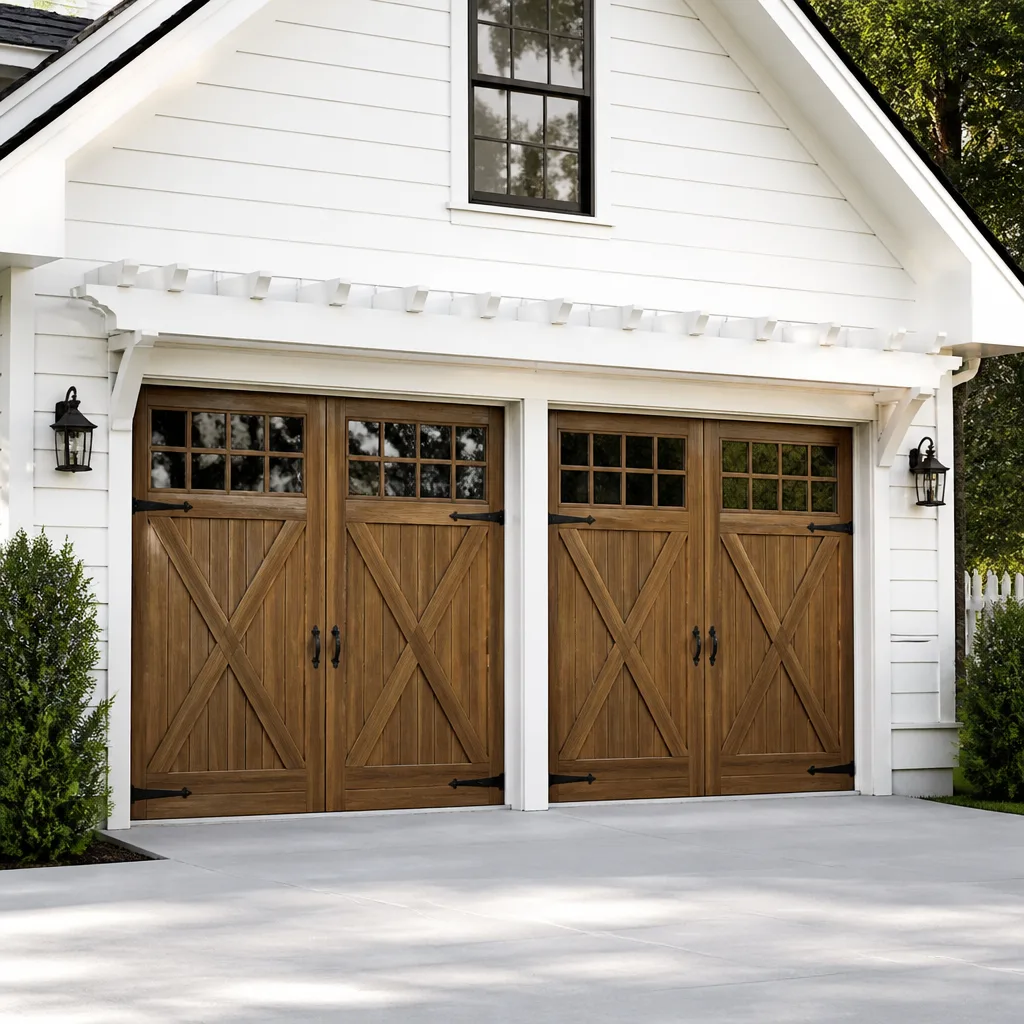 Carriage house
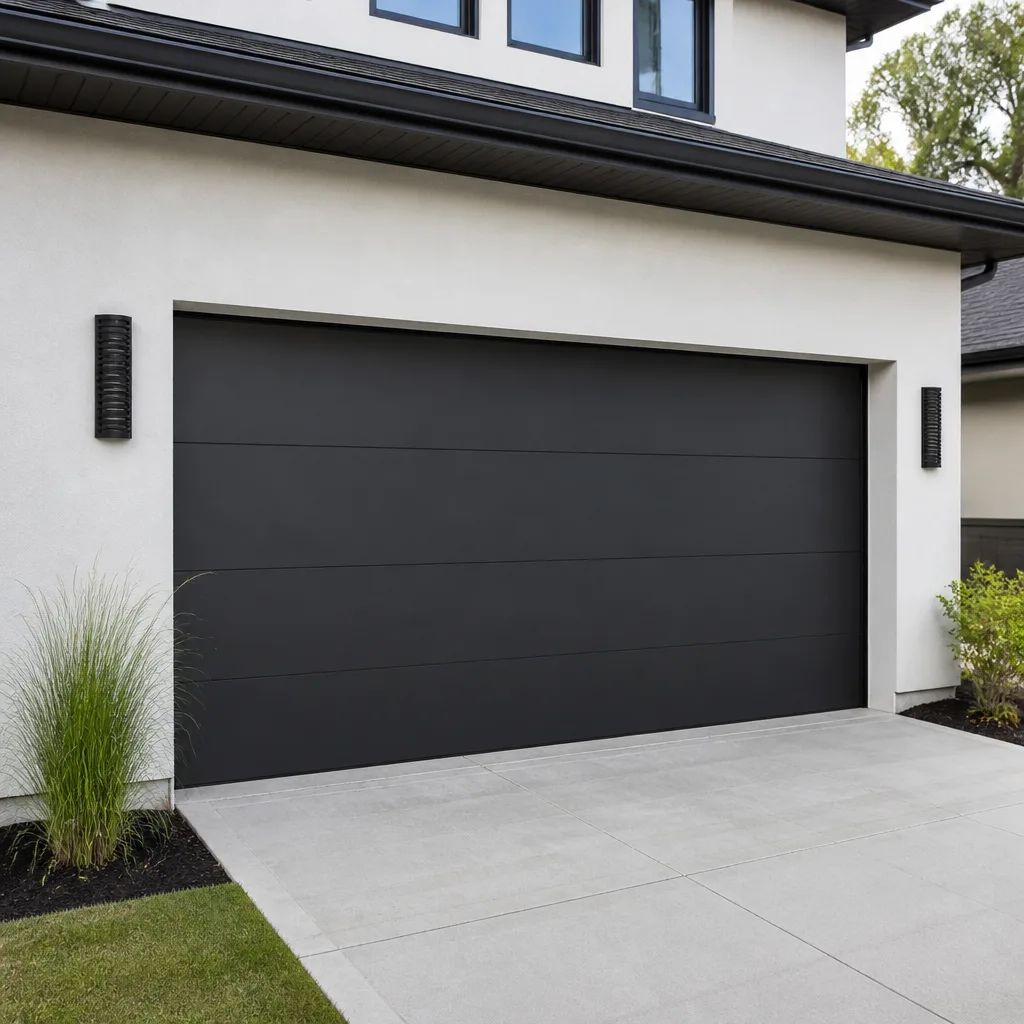 Modern flush
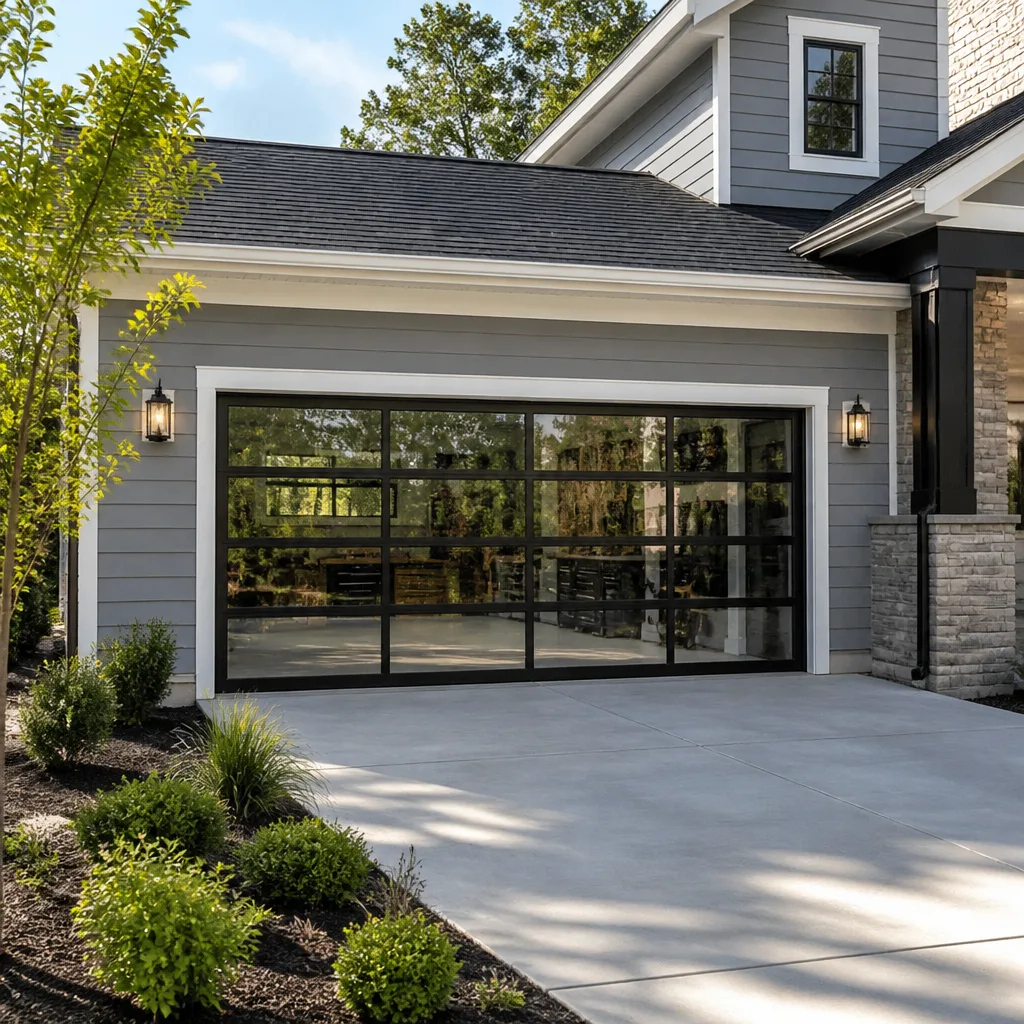 Full-view glass
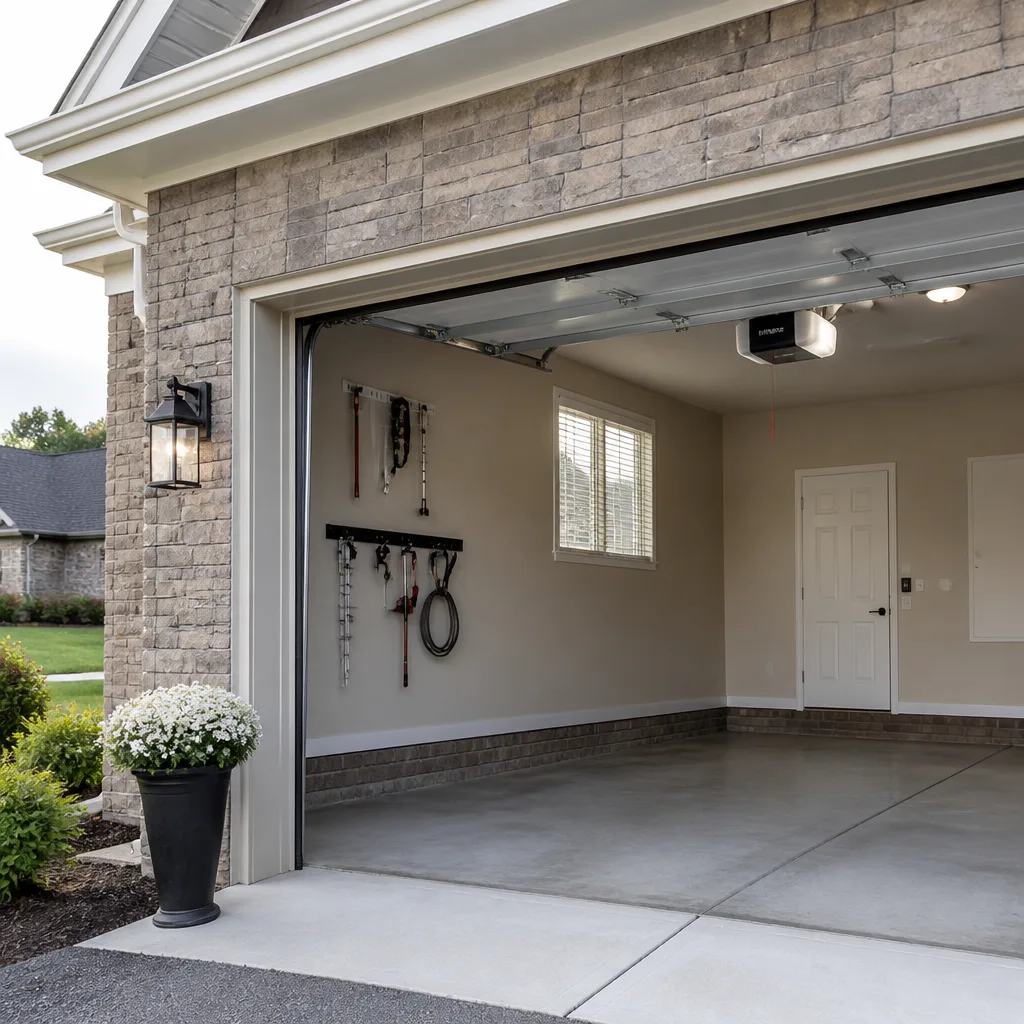 LiftMaster openers
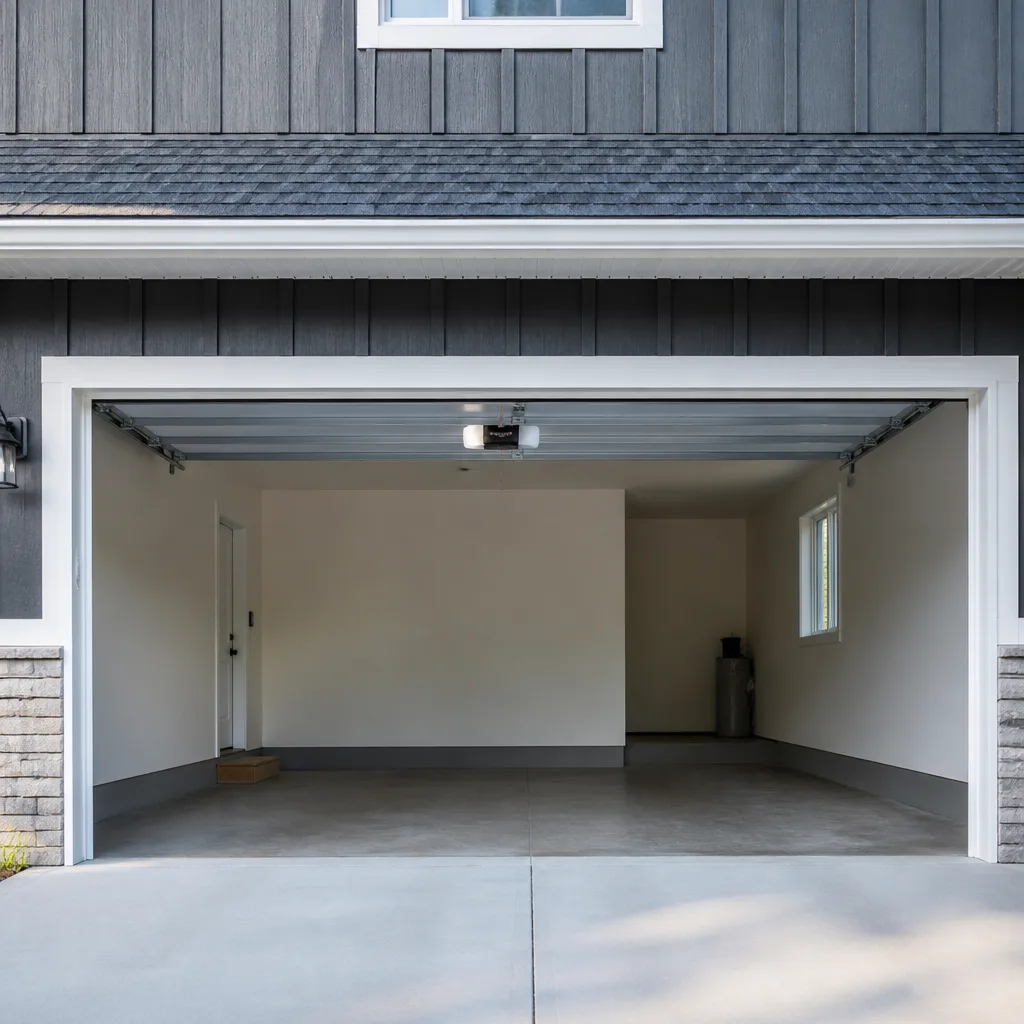 Chamberlain openers
Full 25-point door and opener safety check with every visit - springs, cables, rollers, tracks, and your LiftMaster or Chamberlain opener included
You get a price before we start. It does not change when the pro arrives.
Get your free estimateSeasonal Garage Door Care for Alexandria: Year-Round Homeowner’s Guide
Most garage door advice treats maintenance as a twice-a-year ritual: check everything in spring, check everything again in fall. That approach quietly misses half the problem. In Alexandria, August humidity and January freeze-thaw cycles attack completely different components of your door system, and a component that’s fine in April can be quietly failing by September. A torsion spring doesn’t care that you lubricated it once. A bottom seal doesn’t recover from a summer of compression just because you hosed it down in October. What follows is a season-by-season breakdown built around what Alexandria’s climate actually does to your door, with specific tasks tied to specific stressors. You’ll learn which checks matter when, the one test that belongs in every season, and when a job is genuinely a specialist’s.
Quick Answer
Seasonal garage door care in Alexandria means matching maintenance to the season’s dominant stressor: summer humidity stresses wood and seals, fall is the right window to lubricate torsion springs before cold contraction, winter freeze-thaw cycles destroy bottom seals and road salt attacks tracks, and spring is when post-winter hardware damage becomes visible. One task – the 60-second balance test – should happen every season, not annually, because a door that’s off balance signals a failing spring or cable before either fails outright.
Styles & brands we work with
- Raised-panel steel
- Carriage house
- Modern flush
- Full-view glass
- LiftMaster openers
- Chamberlain openers
Table of Contents
- Summer in Alexandria: Humidity, Seals, and Opener Cutoff
- Fall: The October Spring Lubrication Window
- Winter: Freeze-Thaw, Bottom Seals, and Road Salt
- Spring: Post-Winter Hardware Inspection
- The 60-Second Balance Test (Every Season)
- Your Month-by-Month Alexandria Checklist
- When Seasonal Care Isn’t Enough
Summer in Alexandria: Humidity, Seals, and Opener Cutoff
Alexandria’s summers regularly push past 90 percent relative humidity for stretches, and that has three specific consequences for a garage door system. None of them are visible from the car.
Wood doors and moisture uptake
Wood is a sponge with grain. In humid months, wood panels take on moisture and expand slightly; when the air dries, they contract. Over several seasons, that cycling opens seams, lifts paint along the bottom rail, and eventually lets water into the core. A Clopay or Amarr steel door doesn’t have this problem, but plenty of Alexandria homes still have wood or wood-composite panels, and those need a paint or stain check every summer. Look at the bottom 12 inches first. That’s where moisture sits longest.
Bottom seal compression
The rubber bottom seal is the door’s weather barrier, and summer heat makes it soft. A soft seal that gets pressed against a hot driveway every day takes a set in the compressed position. By fall it stops springing back, which means gaps, drafts, and a door that never quite closes flush. Run your hand along the bottom edge on a hot afternoon. If the seal feels flat rather than resilient, it’s already on its way out.
Opener thermal cutoff
Many openers, including LiftMaster and Chamberlain units, have thermal protection built into the motor. In a garage that hits 110 degrees or higher, that protection can trip and the door will reverse or stop mid-travel. A door that only misbehaves on the hottest afternoons is often telling you the motor is overheated, not broken. Vents, shade, and a clean motor housing help. So does knowing the difference between a genuine failure and a thermal trip.
Fall: The October Spring Lubrication Window
Torsion springs live under constant tension, and metal under tension contracts as it cools. That’s why October is the best time in Alexandria to lubricate them – you want fresh lubricant on the coils before the first cold snap increases stress. A light coat of a garage-door-specific lubricant on the spring coils, the torsion tube, the rollers, and the hinges reduces wear and quiets the door. Don’t use grease or WD-40; both attract grit.
Why the timing matters
Lubricant applied in the cold is thick and doesn’t spread evenly into the coils. Applied in the heat, it thins and runs. October’s moderate temperatures let it settle where it needs to. That one detail is why fall lubrication outperforms spring lubrication on the same door.
Fall tasks at a glance
- Lubricate spring coils, torsion tube, hinges, and rollers
- Clear the tracks of leaves, grit, and acorn debris (Alexandria’s oaks and maples drop plenty)
- Check weatherstripping along the sides and top for cracks before cold air finds them
- Test the auto-reverse safety feature with a roll of paper towels – the door should reverse on contact
- Inspect the photo-eye sensors at the bottom corners and clear any cobwebs or dirt
This is also the season homeowners notice doors getting louder. Cold metal amplifies noise, but a door that’s suddenly much louder usually needs lubrication, tightening, or a look at the rollers. If the noise comes with visible sagging or the door hesitates, that’s a sign to bring in garage door repair before winter.
Winter: Freeze-Thaw, Bottom Seals, and Road Salt
Alexandria winters bring repeated freeze-thaw cycles – snow melts on a warm afternoon, refreezes overnight, repeats. That cycle is brutal on the bottom seal and the concrete threshold it rests on.
The freeze-thaw sequence that destroys seals
Water gets under the bottom rubber, sits against the concrete, and freezes. Ice expands, lifting the seal and cracking the concrete edge. The next thaw lets more water in, and the cycle repeats. By the end of a hard winter, the seal is torn, the concrete edge is spalled, and the door no longer seals. The fix is a combination of a fresh bottom seal and, if the concrete is badly spalled, a threshold repair. Clearing snow and ice from the door’s threshold promptly, without hacking at the seal with a shovel, is the best defense.
Road salt and track corrosion
Alexandria’s road salt rides in on tires and boots and settles on the lower tracks and hinges. Salt accelerates corrosion on steel, and the tracks are close to the ground where salt-laden slush collects. Wipe down the bottom few feet of track and the hinges with a damp cloth, then dry them, once the season’s worst weather has passed. A light lubricant on the tracks after cleaning helps resist the next round.
Cold-related hardware issues
Cold metal gets brittle, and cold lubricant gets stiff. Doors that were smooth in October may feel sluggish in January. That’s usually just stiff grease, but it can also indicate a spring that’s starting to weaken. When a door “won’t come up all the way” in the cold, or the opener strains, that’s worth a professional look – see our guide to garage door opener repair for what the symptoms usually mean.
Spring: Post-Winter Hardware Inspection
Winter stress has a way of hiding damage until spring. The inspection sequence below is ordered deliberately: start at the points most likely to have taken damage, then work outward.
- Cables. Look at the cables running along each side of the door. Fraying, broken strands, or a kinked cable becomes visible in spring after the winter’s tension cycling. Frayed cable is a safety issue – stop using the door and call a professional.
- Springs. Torsion springs above the door and extension springs along the sides. Look for gaps in the coils, rust, or visible sag. Never touch a spring under tension.
- Rollers and hinges. Test rollers for flat spots or wobble. Hinges should be tight; loose hinges let the door rattle and wear the track.
- Tracks. Tracks should be straight and parallel. Dents or bends from a winter bump need straightening or replacement.
- Panels. Look for dents, cracks along seams, and paint lifting at the bottom rail – especially on Wayne Dalton and other panel-style doors that take impact.
- Opener chain or belt. Check tension and wear. A slack chain or frayed belt is cheaper to fix now than after it fails.
Spring is also the season most homeowners consider a new door. If the inspection turns up multiple failing components across the whole system, our team at garage door installation can measure, advise on panel and insulation options, and schedule the work – installation is a measured, ordered job, not a same-day repair.
The 60-Second Balance Test (Every Season)
Balance testing is the single maintenance task that belongs in every season, not once a year. It takes about a minute and tells you whether the door’s spring system is doing its job evenly.
- With the door closed, pull the emergency release cord to disconnect the opener.
- Lift the door by hand until it’s about halfway up.
- Let go. A healthy door stays put or drifts only slightly. A door that slides down, or races up, is out of balance.
- Reconnect the opener before using it.
An out-of-balance door points to a spring that’s lost tension or a cable that’s slipped. Both are progressive problems – caught early, a balance issue is a straightforward repair. Left alone, an unbalanced door puts extra strain on the opener and the springs until something breaks. Doing this test in summer, fall, winter, and spring catches the drift before it becomes a failure.
Your Month-by-Month Alexandria Checklist
Here’s how the seasonal tasks map to a practical year. Not every item takes long, but the order matters.
- January – February: Clear snow and ice from the threshold promptly; watch for sluggish door travel and strained opener behavior.
- March – April: Full spring inspection sequence (cables, springs, rollers, hinges, tracks, panels); test balance.
- May – June: Check wood panels for moisture uptake; inspect bottom seal for compression; clean tracks.
- July – August: Watch for thermal cutoff on hot afternoons; verify bottom seal resilience; check opener behavior.
- September – October: Lubricate springs, torsion tube, hinges, rollers; clean tracks; test auto-reverse; check weatherstripping.
- November – December: Pre-winter once-over; clean salt and grit from lower tracks; test balance.
Alexandria’s housing stock varies from older homes near Old Town to newer construction in the West End, and each has different door systems. Older wood doors need more moisture attention. Newer steel doors need more attention to seals and opener electronics. Our technicians have up to 14 years of experience with both, and we’re factory-familiar with Craftsman, Clopay, Amarr, and a range of other major brands – which means the diagnosis matches your actual door instead of a generic checklist.
When Seasonal Care Isn’t Enough
Seasonal care keeps a healthy door healthy. It doesn’t rescue a door that’s reached the end of its life. Several signals point to replacement over continued repair:
- Multiple spring or cable failures within a few years
- Panel damage across two or more sections
- Track damage that no longer allows smooth travel
- An opener that’s been replaced twice while the door stays the same
- A door that no longer seals and the concrete threshold needs repair
When those signs stack up, repair costs can approach replacement, and replacement gets you a new spring system, a new seal, and modern opener compatibility in one move. Our team handles the whole job – opener to panel to spring – so you’re not coordinating between providers. As a dedicated garage door company, we focus entirely on doors and openers; that’s a different orientation from a multi-trade contractor who also does doors. You can learn more about who we are at Alexandria Garage Door Repair Co.
Common Mistakes to Avoid
- Only doing maintenance twice a year. Alexandria’s four distinct seasons stress different components; a spring-and-fall checkup misses the summer humidity damage and winter freeze-thaw damage entirely.
- Lubricating springs in spring instead of fall. You want fresh lubricant on the coils before cold contraction increases tension stress, not after.
- Using WD-40 or grease on tracks and springs. Both attract grit that turns into a grinding paste. Use a garage-door-specific lubricant.
- Shoveling snow against the bottom seal. A metal shovel edge tears the rubber and chips the concrete threshold, setting up the freeze-thaw sequence that destroys both.
- Ignoring a door that’s suddenly louder. Noise is usually the first sign of loose hinges, worn rollers, or a spring losing tension.
- Skipping the balance test. It’s the cheapest early-warning system you have, and it takes a minute.
- Touching a torsion spring. Springs are under extreme tension. Never adjust, lubricate the coils while under tension beyond a light exterior coat, or remove one yourself – this is a specialist’s job.
A safety note on springs and openers
Torsion and extension springs are the highest-tension parts on any garage door, and a spring that releases unexpectedly can cause serious injury. The same goes for the electrical side of an opener – wiring and panel connections carry real risk. Our role in maintenance guidance is to help you recognize problems early, not to walk you through spring or electrical work yourself. When the symptom points to a spring, a cable, or opener wiring, that’s the moment to call a trained technician.
See the difference
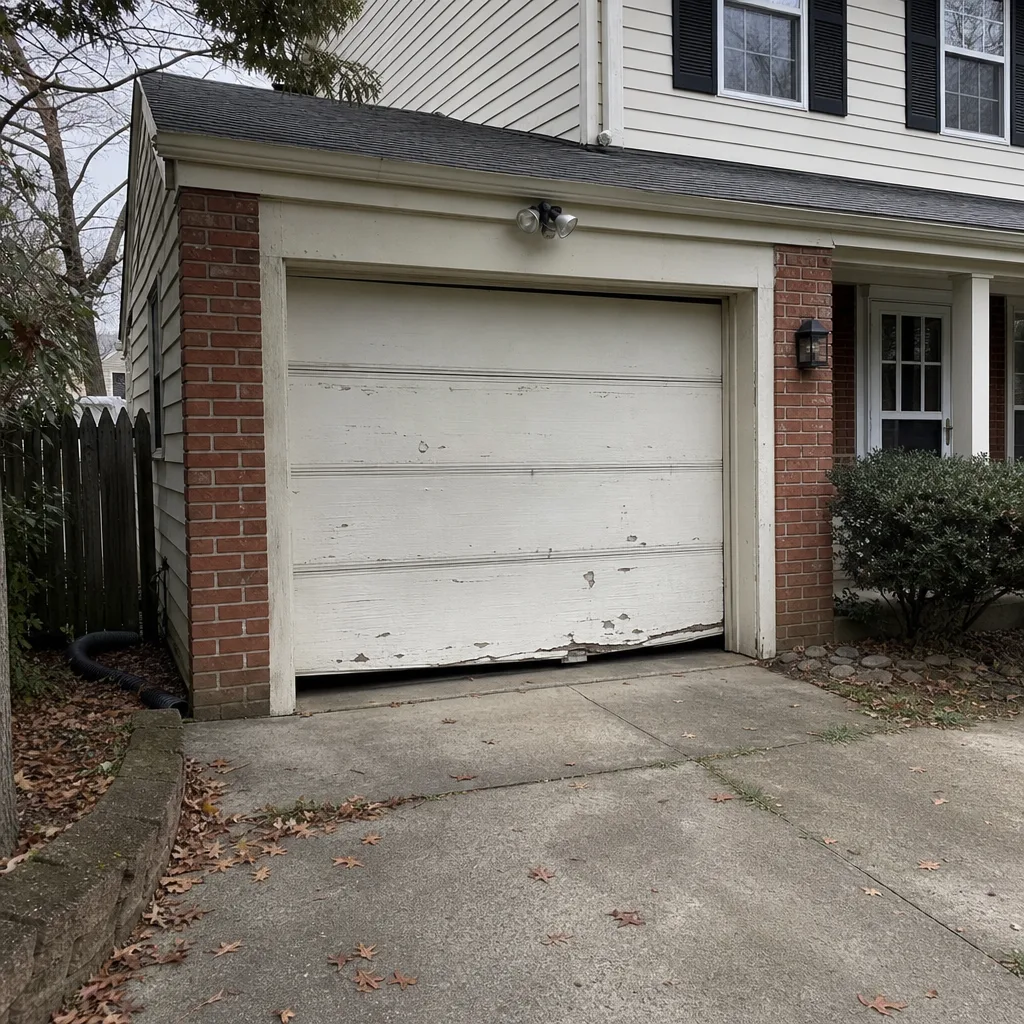 Before
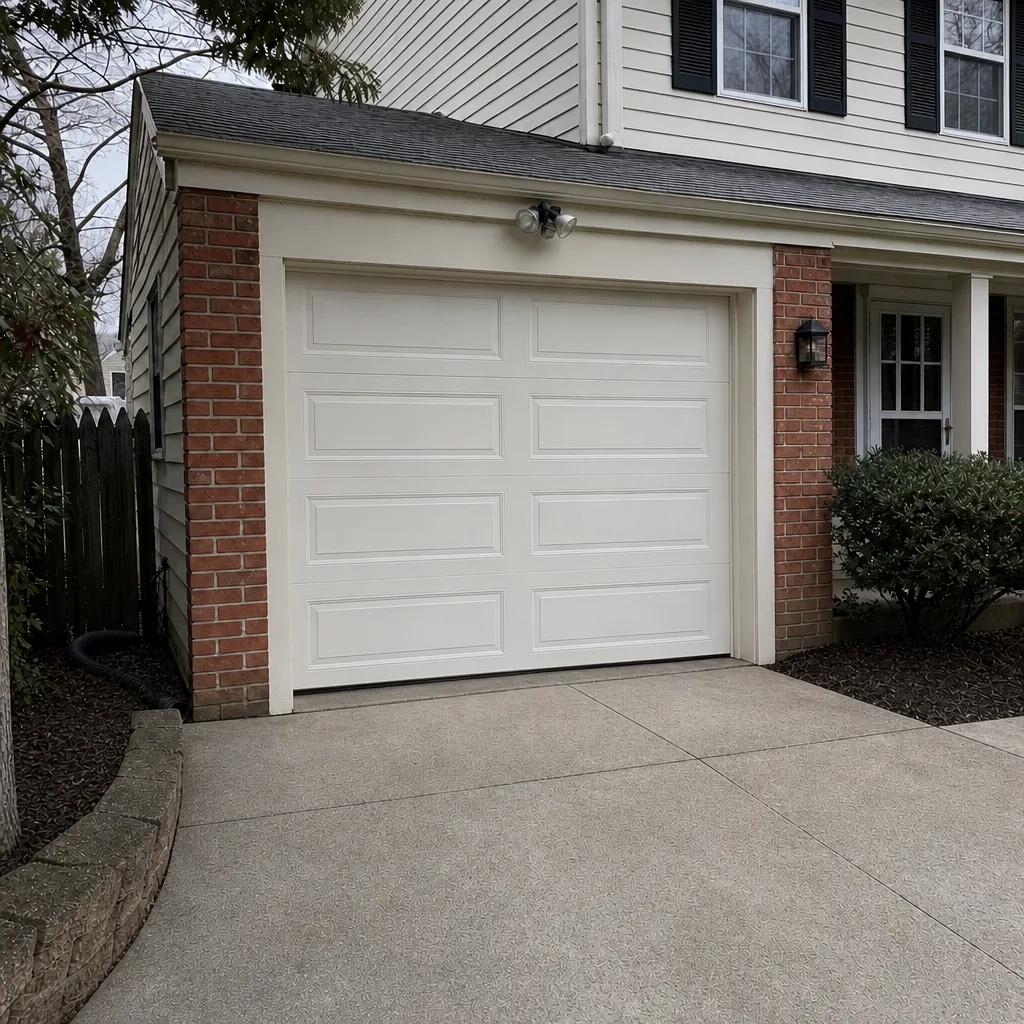 After
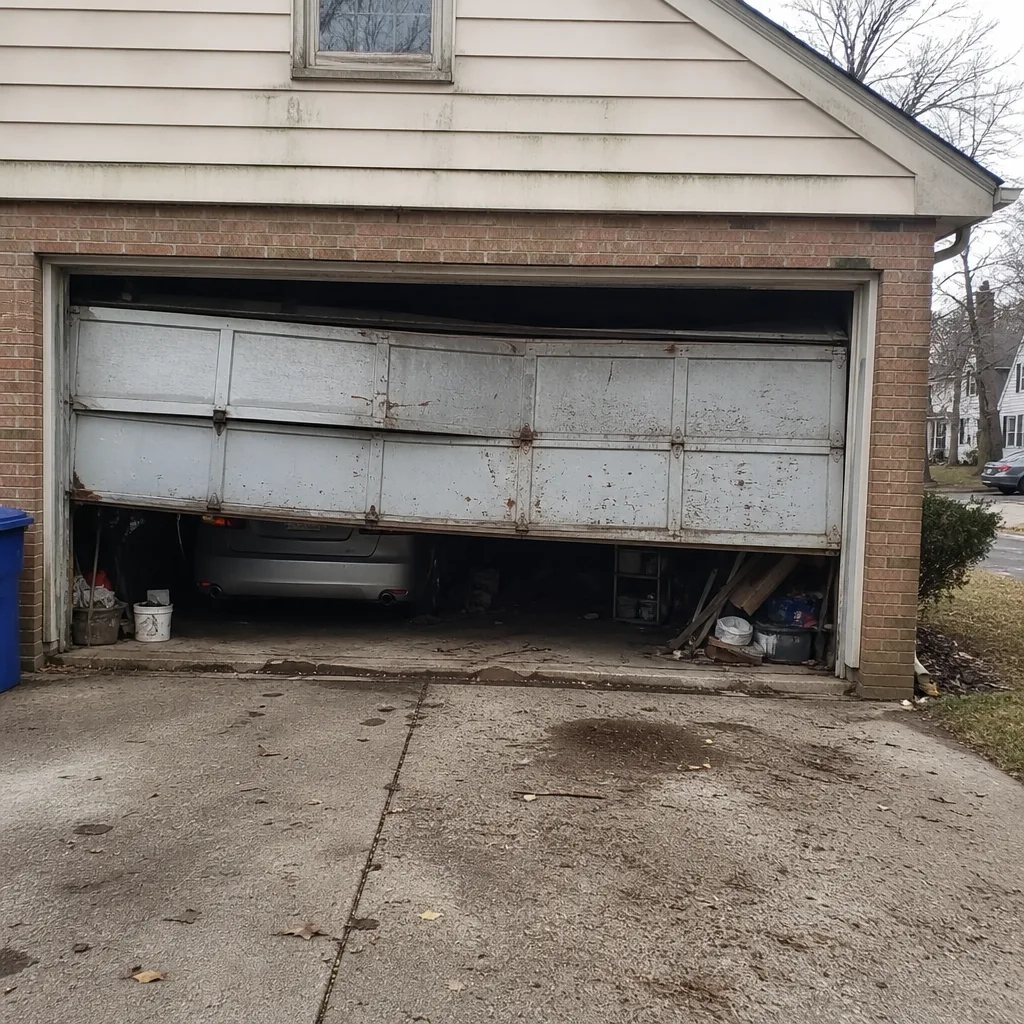 Before
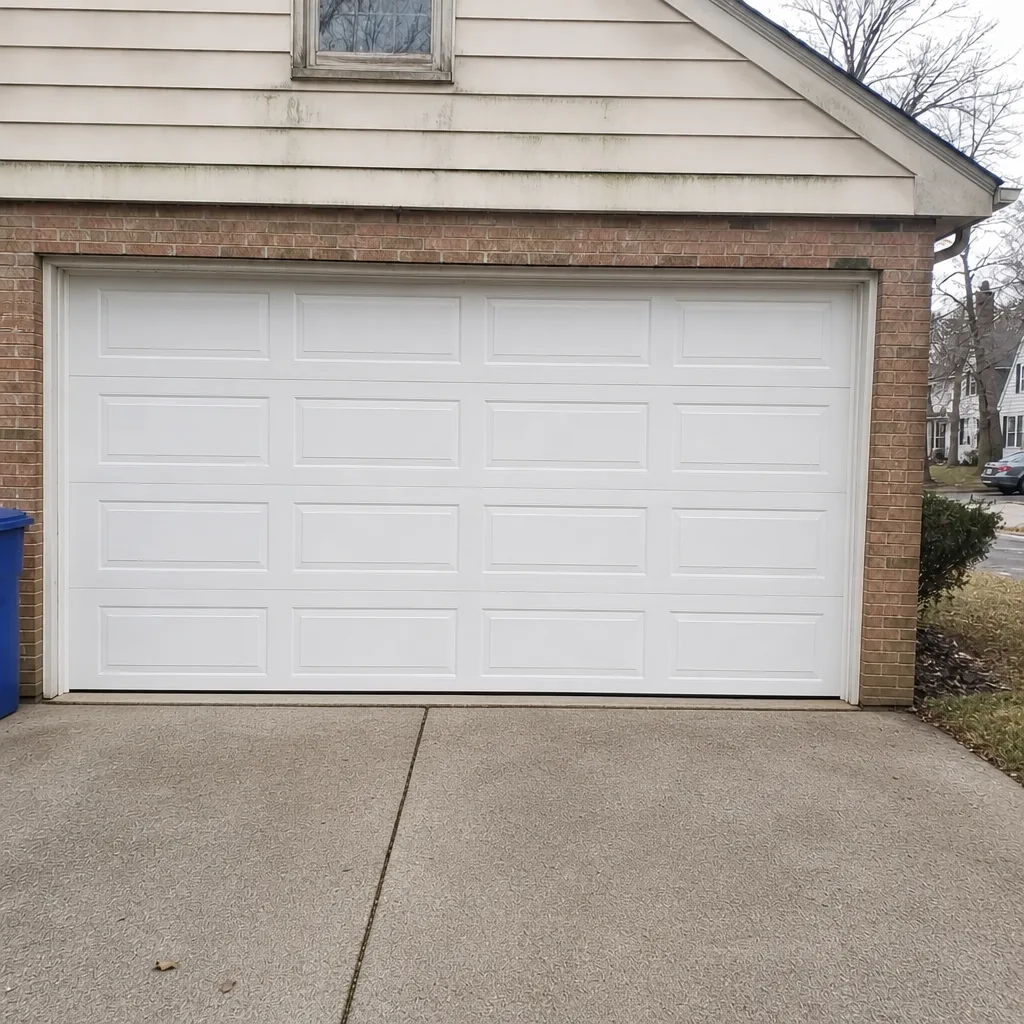 After
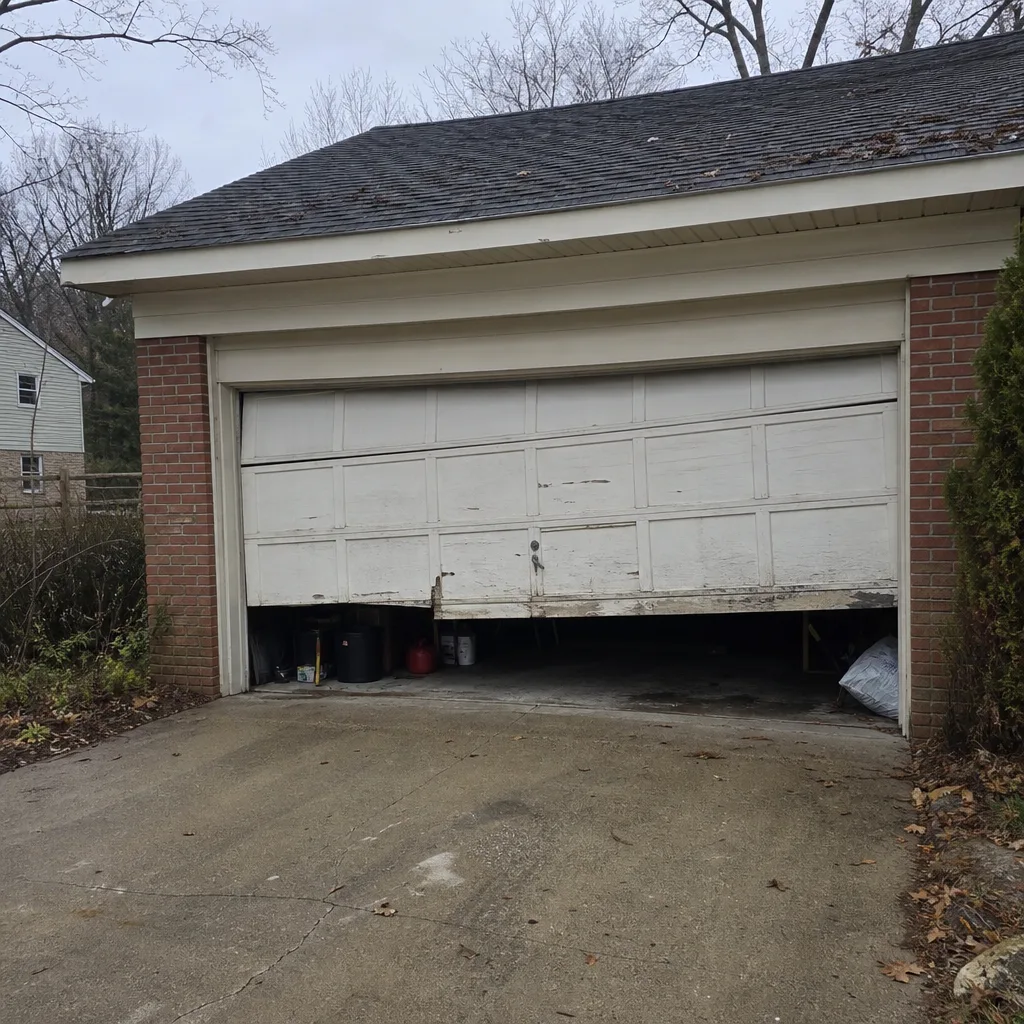 Before
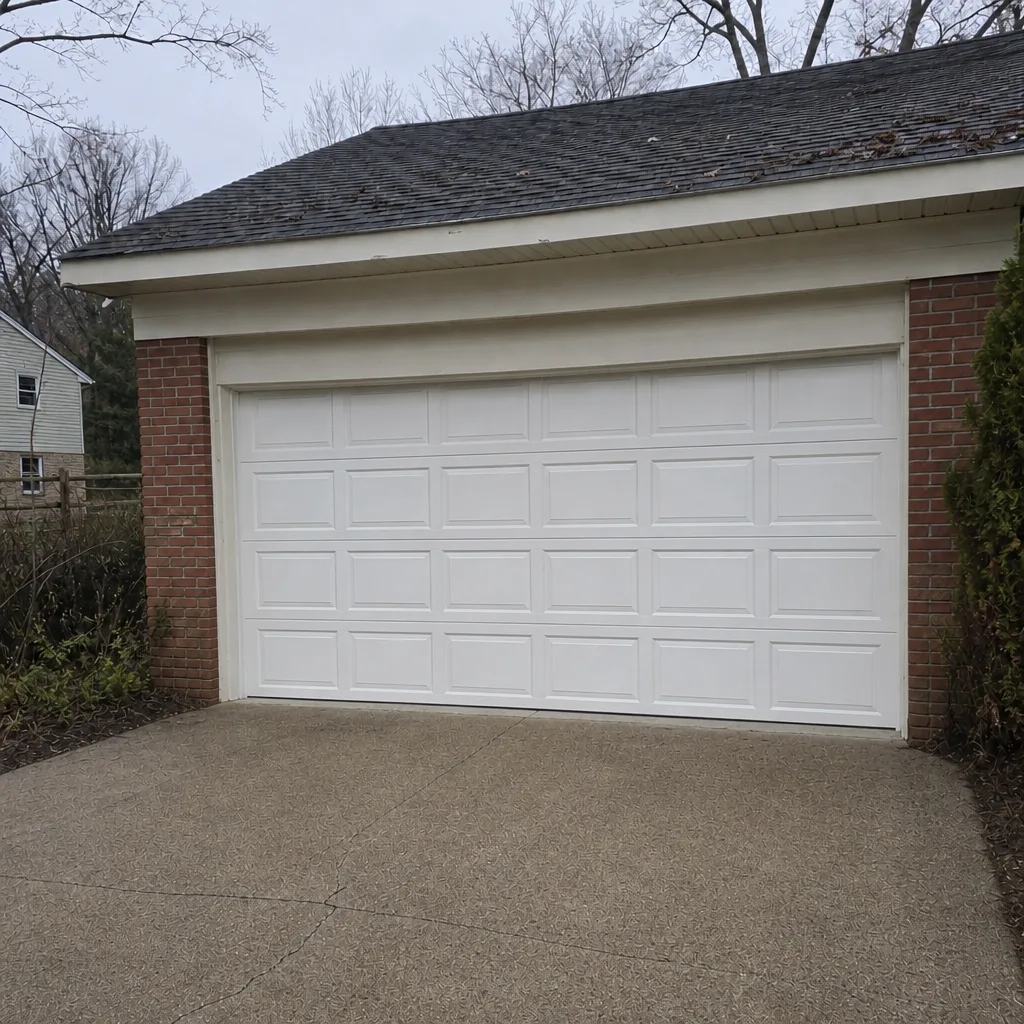 After
When to Call a Professional
Seasonal care covers the checks you can do safely. A professional call is warranted when:
- A cable is frayed, kinked, or broken
- A spring has a visible gap, sag, or rust-through
- The door is out of balance and doesn’t correct after a full inspection
- The opener strains, reverses unexpectedly, or trips thermal cutoff regularly
- Panels are cracked or the seal no longer closes against the threshold
- The door won’t open or close at all (emergency service is available for exactly this – a door that won’t close compromises home security)
Alexandria Garage Door Repair Co offers free estimates in Alexandria – call (844) 681-5326. We work on LiftMaster, Chamberlain, Genie, Craftsman, Clopay, Amarr, Wayne Dalton, and Raynor systems, spring repair is a core offering, and we handle both mechanical and electronic issues in one visit where possible. Every price is quoted and agreed before any work starts, so there are no surprise costs on the invoice.
Frequently Asked Questions
Full seasonal maintenance four times a year, plus a 60-second balance test every season. Alexandria’s climate is the reason: summer humidity, fall temperature drops, winter freeze-thaw, and spring post-winter inspection each stress a different part of the system, so a single annual checkup leaves gaps. Call (844) 681-5326 for a free estimate if you’d rather have a technician do the inspection.
October. Torsion springs contract as temperatures fall, which increases tension stress, so fresh lubricant in fall reduces wear before the cold arrives. Lubricating in spring misses that window. A light coat of garage-door-specific lubricant on the coils and torsion tube is the right approach – avoid grease or WD-40.
Thermal cutoff on the opener motor. Many LiftMaster and Chamberlain openers have thermal protection that trips in a hot garage, and a door that reverses or stalls only on the hottest afternoons is usually overheating rather than failing. Ventilation and shade help; if it keeps happening, call (844) 681-5326 for a free estimate.
Freeze-thaw cycles. Water gets under the seal, freezes, expands, and lifts the rubber; the next thaw lets more water in and repeats. Road salt adds corrosion on the lower tracks. Clearing snow and ice promptly, without a metal shovel edge against the seal, is the best prevention.
Often, yes. The balance test is the early-warning signal – an out-of-balance door usually points to a spring losing tension before it fails outright. Spring repair is a core specialty of ours, so if the test shows drift, call (844) 681-5326 for a free estimate.
The safe checks – visual inspection, cleaning tracks, lubricating moving parts, the balance test, opener testing – are homeowner-friendly. Anything involving a torsion or extension spring, cable, or opener electrical work is not; those carry real injury risk and should go to a trained technician. Call (844) 681-5326 to book a professional inspection.
The Bottom Line
Seasonal garage door care in Alexandria works when it’s matched to what each season actually does to the system. Summer is about humidity, seal compression, and opener thermal cutoff. Fall is the lubrication window before cold contraction. Winter is freeze-thaw seals and road salt on tracks. Spring is when post-winter cable and hardware damage becomes visible. The balance test belongs in every season, because it catches spring and cable problems early at almost no cost. Do those checks reliably, and your door stays quieter, seals better, and lasts longer. For anything involving springs, cables, or openers, call a specialist – it’s a job for a trained technician, not a weekend project. Call (844) 681-5326 for a free estimate, and we’ll tell you exactly what your Alexandria door needs this season.
Written by the team at Alexandria Garage Door Repair Co.